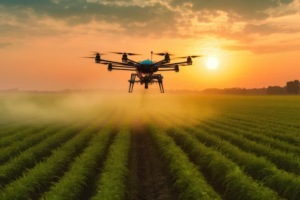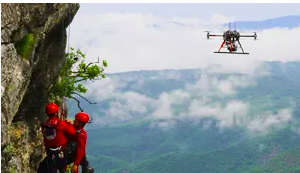
In the realm of modern technology, one innovation stands out, soaring above the rest: autonomous drones. These remarkable aerial vehicles have transformed industries, from emergency management to environmental conservation, by harnessing the power of cutting-edge technology. In this article, we delve into the fascinating journey of designing autonomous drone systems and explore the key technological advancements driving their evolution.
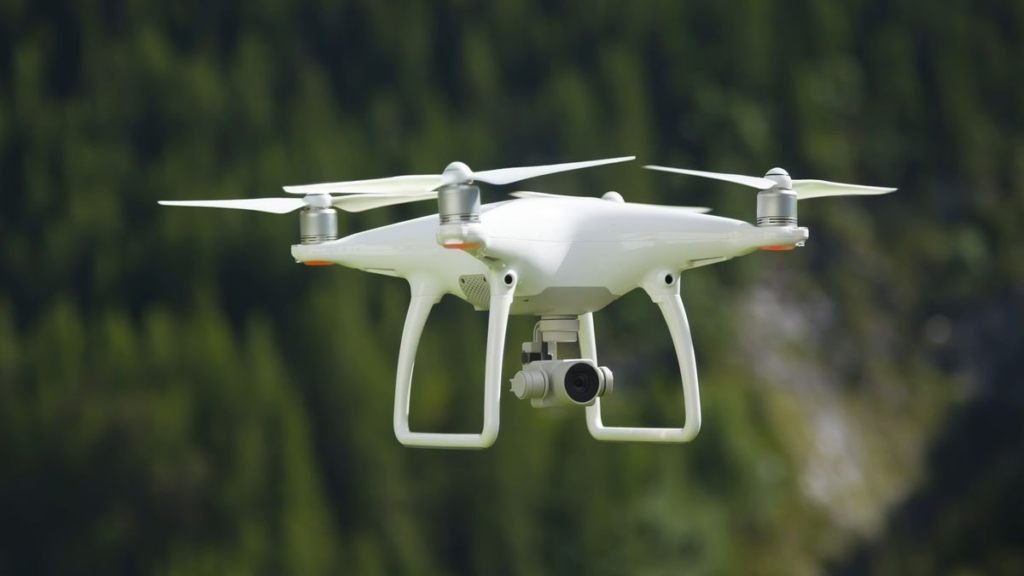
Autonomous drones represent the pinnacle of unmanned aerial vehicle (UAV) technology, offering unparalleled versatility and efficiency in various applications. At the heart of these drones lies a sophisticated technological system, meticulously designed to enable seamless autonomy. Artificial Intelligence (AI) plays a central role in empowering drones to make intelligent decisions in real-time, navigating complex environments with precision and agility.
One of the most remarkable aspects of autonomous drones is their self-sufficiency. Unlike traditional UAVs, which require constant human intervention, autonomous systems for drones are equipped with advanced sensors and algorithms that enable them to operate independently for extended periods. This level of autonomy not only enhances efficiency but also reduces the risk associated with human error, particularly in high-stakes scenarios such as emergency management and disaster response.
The development of platforms for drones has been instrumental in driving innovation in autonomy. These platforms provide a robust foundation for integrating cutting-edge technologies such as AI, Big Data analytics, and machine learning algorithms, enabling drones to perform a wide range of tasks with unparalleled efficiency and precision. From forest fire detection to emergency medical deliveries, autonomous drones are revolutionizing industries and saving lives.
Innovations in autonomy have also paved the way for groundbreaking applications in emergency management. Drones equipped with advanced sensors and thermal imaging cameras can rapidly assess disaster zones, providing crucial insights to first responders and facilitating swift and effective decision-making. In scenarios such as forest fires, autonomous drones play a vital role in early detection and monitoring, enabling authorities to deploy resources strategically and minimize damage.
Fire signaling with drones is another innovative application that highlights the potential of autonomous systems in emergency response. By leveraging AI algorithms and real-time data analysis, drones can quickly identify areas of concern and relay vital information to ground teams, facilitating coordinated efforts and ensuring swift containment of wildfires. This seamless integration of technology and emergency management has the potential to revolutionize disaster response strategies and save countless lives.
Beyond emergency management, autonomous drones are also driving advancements in environmental conservation and sustainability. Energy efficiency in drones is a key focus area for researchers and engineers, as reducing power consumption not only extends flight times but also minimizes environmental impact. By optimizing propulsion systems and incorporating renewable energy sources, such as solar panels, researchers are paving the way for a greener, more sustainable future for aerial robotics.
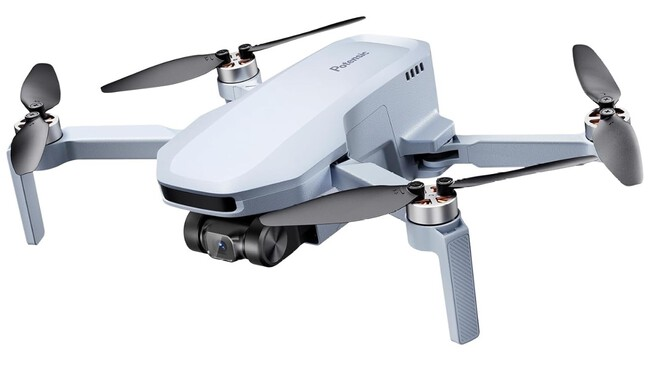
Air safety is another paramount consideration in the development of autonomous drone systems. With the proliferation of UAVs in airspace, ensuring safe and responsible operation is essential to prevent accidents and mitigate risks. Advanced collision avoidance systems, coupled with real-time tracking and monitoring capabilities, enable drones to navigate congested airspace safely and avoid potential collisions with other aircraft.
In conclusion, the journey of designing autonomous drone systems represents a remarkable convergence of technology, innovation, and ingenuity. From their humble beginnings as experimental prototypes to their current status as indispensable tools in various industries, autonomous drones have come a long way. With continued advancements in AI, robotics, and sensor technology, the future of autonomous systems for drones is boundless, promising new possibilities for emergency management, environmental conservation, and beyond.