In recent years, the aviation industry has witnessed a remarkable transformation with the emergence of autonomous drone technology. These unmanned aerial vehicles (UAVs) are not just revolutionizing the way we perceive flight; they are fundamentally changing the landscape of various sectors, from emergency management to environmental conservation. In this article, we delve into the advancements in autonomous drone systems, exploring their capabilities, innovations, and potential impact on different domains.
Autonomous Drones: The Future of Flight
Autonomous drones represent the pinnacle of technological innovation in aviation. Unlike traditional manned aircraft, these drones operate without direct human intervention, relying instead on sophisticated algorithms and sensors to navigate their surroundings. This autonomy enables them to perform a wide range of tasks, from surveillance and reconnaissance to delivery and disaster response.

Technological Systems for Drones: Powering Autonomy
At the heart of autonomous drone systems lies a complex technological infrastructure designed to ensure their seamless operation. These systems integrate a myriad of components, including GPS navigation, computer vision, and communication networks, to enable drones to perceive and interact with their environment autonomously. Through constant advancements in hardware and software, researchers and engineers continue to push the boundaries of what is possible with drone technology.
Artificial Intelligence in Drones: Enabling Intelligent Decision-Making
One of the key driving forces behind the autonomy of drones is artificial intelligence (AI). By leveraging machine learning algorithms, drones can analyze vast amounts of data in real-time, allowing them to make intelligent decisions on the fly. This capability is particularly crucial in applications such as emergency management, where drones need to quickly assess situations and respond accordingly.
Innovations in Autonomy of Drones: Pushing the Boundaries
The field of autonomous drone technology is witnessing rapid innovation, with researchers exploring new ways to enhance the capabilities of these unmanned vehicles. From advanced obstacle avoidance systems to predictive analytics for proactive maintenance, the possibilities for innovation are virtually limitless. As a result, we are seeing drones being deployed in increasingly diverse scenarios, from monitoring forest fires to inspecting critical infrastructure.
Emergency Management with Drones: Enhancing Response Efforts
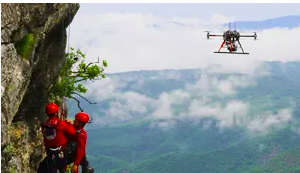
One area where autonomous drones are making a significant impact is in emergency management. During natural disasters such as wildfires or earthquakes, drones equipped with advanced sensors can provide invaluable situational awareness to first responders. By surveying affected areas from above and collecting real-time data, these drones enable more informed decision-making, ultimately saving lives and mitigating damage.
In conclusion, the rise of autonomous drone technology is poised to revolutionize aviation and beyond. With their ability to operate independently and adapt to changing circumstances, these unmanned vehicles are reshaping industries ranging from emergency management to environmental conservation. As researchers continue to push the boundaries of innovation, we can expect to see even more groundbreaking advancements in the autonomy of drones in the years to come.