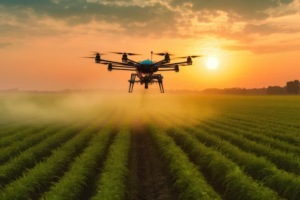
In recent years, the landscape of aviation has been rapidly transformed by advancements in technology, particularly in the realm of autonomous drones. These unmanned aerial vehicles (UAVs) have evolved from being mere novelties to indispensable tools in various industries, ranging from emergency management to environmental monitoring. The convergence of cutting-edge innovations in artificial intelligence, big data analytics, and energy efficiency has propelled the development of sophisticated systems that enable drones to operate autonomously with unparalleled efficiency and precision.
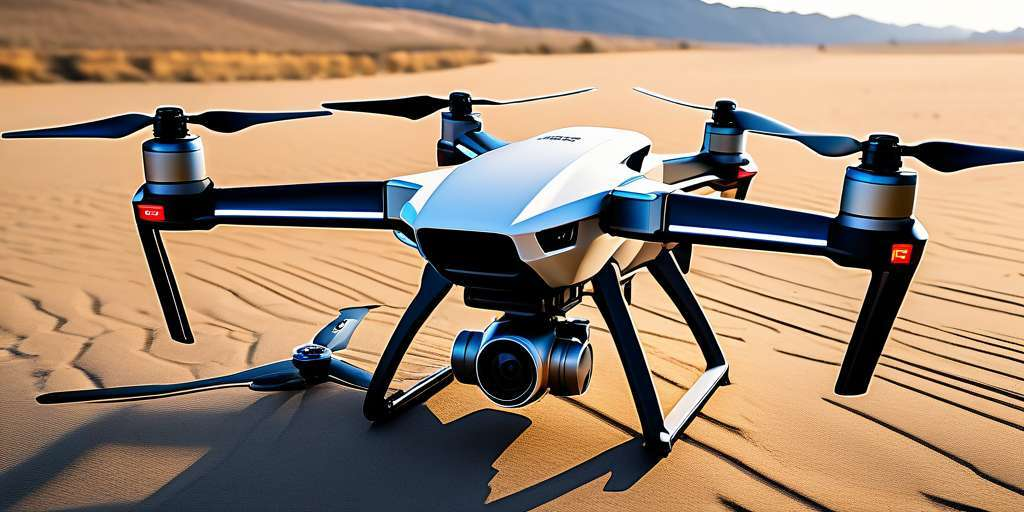
Autonomous drones represent a significant paradigm shift in the way we perceive aerial operations. Unlike traditional manned aircraft, these unmanned vehicles are equipped with advanced technological systems that allow them to navigate, collect data, and perform tasks with minimal human intervention. This self-sufficiency of drones is made possible by a combination of hardware and software components that work seamlessly together to ensure smooth and reliable operation in diverse environments and scenarios.
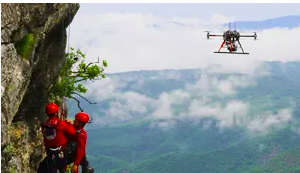
One of the most compelling applications of autonomous drones is in emergency management. These versatile aircraft play a crucial role in disaster response efforts, enabling rapid assessment of affected areas and delivery of aid to remote or inaccessible locations. In the event of natural disasters such as earthquakes or hurricanes, drones equipped with specialized sensors can quickly survey the damage and provide real-time data to emergency responders, facilitating more effective decision-making and resource allocation. Moreover, drones outfitted with thermal imaging cameras are invaluable tools for forest fire detection, allowing authorities to detect and contain wildfires before they escalate into major conflagrations.
The integration of artificial intelligence (AI) technologies further enhances the capabilities of autonomous drones, enabling them to perform complex tasks with human-like intelligence and efficiency. AI algorithms empower drones to recognize and respond to changing environmental conditions, adapt their flight paths in real-time to avoid obstacles, and even collaborate with other drones to accomplish shared objectives. By harnessing the power of AI, drone operators can unlock new possibilities for innovation and efficiency in a wide range of applications, from agriculture and infrastructure inspection to public safety and surveillance.
In addition to AI, big data analytics play a crucial role in optimizing the performance of autonomous drone systems. By leveraging vast amounts of data collected from sensors and other sources, operators can gain valuable insights into the behavior of drones and the environments in which they operate. This data-driven approach enables predictive maintenance, allowing operators to identify and address potential issues before they lead to system failures or downtime. Furthermore, big data analytics enable drones to optimize their flight paths and energy consumption, maximizing efficiency and extending their operational range.
Energy efficiency is another key consideration in the development of autonomous drone technology. As battery technology continues to improve, drones are becoming increasingly energy-efficient, allowing them to fly longer and perform more tasks on a single charge. Furthermore, advancements in renewable energy sources such as solar power offer the potential to further extend the endurance of drones, enabling sustained operations in remote or off-grid locations. By prioritizing energy efficiency, drone manufacturers and operators can reduce operating costs and minimize their environmental footprint, while maximizing the utility and effectiveness of autonomous drone systems.
In conclusion, the future of drone autonomy is bright and full of possibilities. With ongoing advancements in technology and innovation, autonomous drones will continue to revolutionize industries and transform the way we approach aerial operations. From emergency management and environmental monitoring to agriculture and infrastructure inspection, the potential applications of autonomous drone technology are virtually limitless. By harnessing the power of artificial intelligence, big data analytics, and energy efficiency, we can unlock new opportunities for efficiency, safety, and sustainability in the skies.